
 HOME
HOME ABOUT US
 INSPECTION SERVICES
 YOUR REPORT
 TESTIMONIALS
 CONTACT US
 SCHEDULE INSPECTION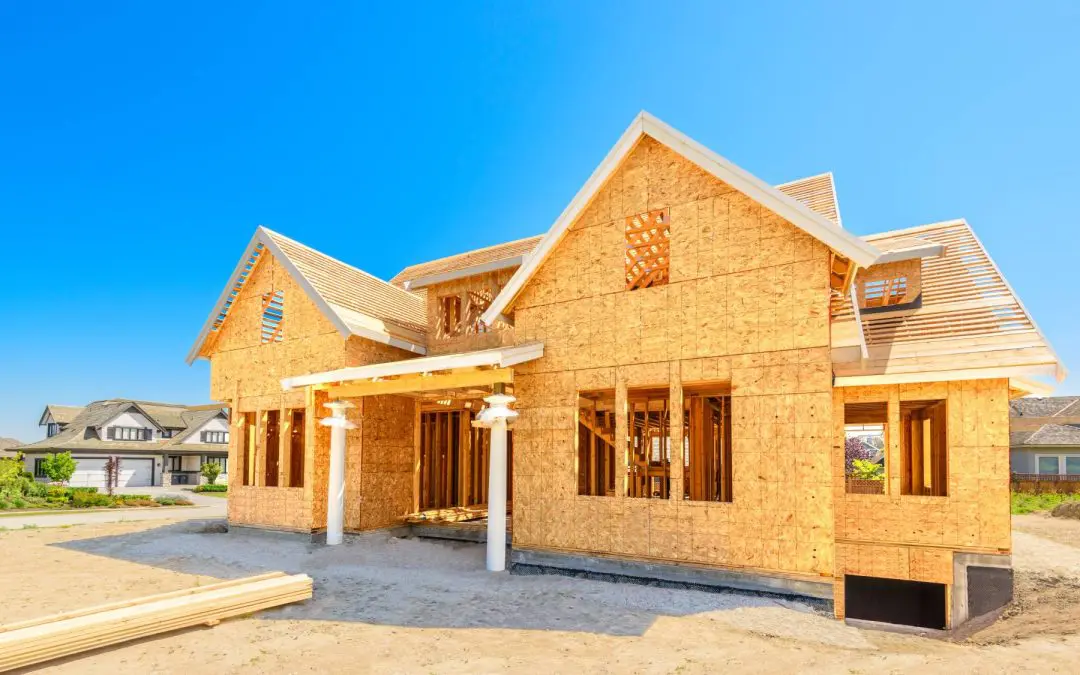
New construction inspections play a critical role in today’s building process, even on well-managed projects with experienced trades. In a fast-moving construction environment, small oversights can turn into expensive callbacks, strained client relationships, or delays at closing. A structured inspection process helps builders protect their reputation, deliver consistent quality, and catch issues while they’re still easy to fix—not after drywall is up and schedules are tight.
Why New Construction Inspections Matter for Builders
Builders take pride in their work, and inspections are not about second-guessing craftsmanship. They are about verification. New construction inspections provide an objective look at each phase of the build, helping confirm that work meets plans, specifications, and generally accepted building standards.
Even strong crews can miss details when timelines are compressed or multiple trades overlap. An inspection adds a layer of quality control that supports the builder, reduces liability, and creates documentation that can be valuable if questions arise later. From framing alignment to system installations, inspections help ensure nothing slips through the cracks.
How These Inspections Fit Into the Build Timeline
New construction inspections are most effective when they occur at key milestones rather than only at the end of the project. A pre-drywall inspection allows structural components, rough plumbing, electrical, and HVAC work to be evaluated while everything is still visible. Issues identified at this stage are typically faster and less costly to address.
Final inspections focus on finished surfaces, system operation, drainage, grading, and overall functionality. For builders, this step provides confidence that the home is ready for handoff and reduces the risk of post-closing complaints. Some projects also include foundation or pre-pour inspections, particularly on higher-end or custom builds where precision is critical.
New Construction Inspections and Risk Reduction
From a business standpoint, new construction inspections are a smart risk-management tool. They help identify concerns that could lead to warranty claims, failed municipal inspections, or unhappy buyers. Addressing these items early protects margins and keeps projects moving forward.
Inspections also create a clear record of the home’s condition at each phase of construction. That documentation can be helpful when coordinating with municipalities, responding to buyer questions, or clarifying responsibility if an issue surfaces later. Builders who use inspections consistently often find that they reduce friction rather than create it.
Working With Inspectors as a Partner, Not an Obstacle
The most successful inspection processes happen when inspectors and builders view each other as partners. Clear communication, shared expectations, and mutual respect go a long way. An experienced inspector understands construction sequencing and recognizes the difference between incomplete work and defective work.
When inspectors are brought in early and consistently, their feedback becomes more predictable and easier to integrate into workflows. Many builders find that this collaboration actually improves efficiency over time by reducing last-minute surprises and rework.
Setting Buyer Expectations With New Construction Inspections
Buyers today are more informed and more involved than ever. Many expect new construction inspections as part of the process, regardless of how reputable the builder may be. Proactively supporting inspections can build trust and demonstrate confidence in the finished product.
When builders are transparent about inspections, it often reassures buyers that quality matters at every stage. This can lead to smoother closings, fewer emotional disputes, and stronger referrals long after the project is complete.
FAQs About New Construction Inspections
- Are new construction inspections really necessary if the home is brand new?
Yes. New does not automatically mean flawless. New construction inspections focus on verifying proper installation and performance, not age. They help catch issues that can occur on any job site, regardless of experience or intent. - Do inspections slow down the construction schedule?
When planned properly, inspections rarely cause delays. In fact, they often prevent larger setbacks by identifying problems early, when corrections are quicker and less disruptive. - How are inspections different from municipal code inspections?
Municipal inspections are typically limited in scope and focus on minimum code compliance. New construction inspections are more comprehensive and look at overall quality, functionality, and long-term performance. - Should builders attend the inspection?
Attendance is not required, but many builders find it helpful. Being present allows for real-time clarification, discussion, and alignment on any findings, which can speed up resolution. - Can inspections reduce warranty claims after closing?
Yes. By addressing concerns before the buyer moves in, inspections help minimize post-closing issues and improve overall satisfaction with the home.
New construction inspections are not about finding fault. They are about building better, reducing risk, and delivering a finished product everyone can stand behind. For builders focused on quality and consistency, inspections are less of an extra step and more of a smart standard.
Recent Comments