
 HOME
HOME ABOUT US
 INSPECTION SERVICES
 YOUR REPORT
 TESTIMONIALS
 CONTACT US
 SCHEDULE INSPECTION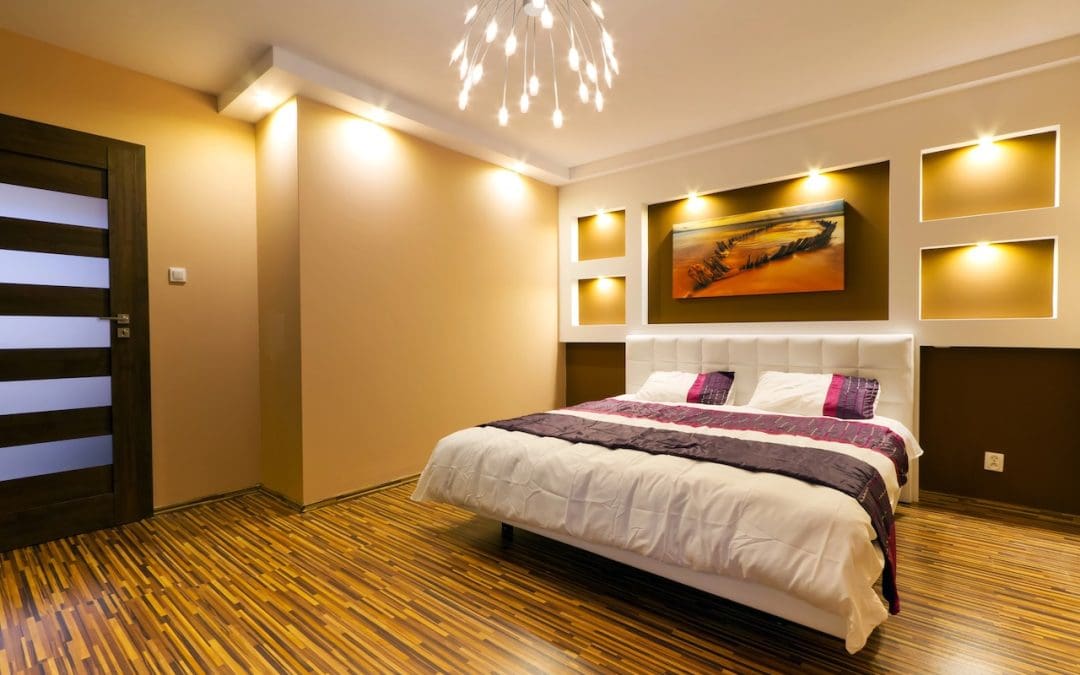
The way a home feels is profoundly influenced by the quality and design of its illumination. Strategic interior lighting can transform moods, highlight architectural features, and enhance the functionality of every room. Many homeowners rely on a single overhead fixture, inadvertently creating stark shadows and flat, uninspired spaces. However, with a thoughtful approach, you will create an environment that feels welcoming, sophisticated, and perfectly tailored to your lifestyle. By understanding the principles of layered lighting and making smart choices about fixtures and bulb types, you will elevate your home’s aesthetic and make every moment spent indoors more enjoyable.
The Art of Layered Interior Lighting
Effective interior lighting is built on three fundamental layers: ambient, task, and accent. Each serves a distinct purpose, and when combined, they create a balanced and dynamic environment. Ambient lighting provides the overall illumination for a room, mimicking natural daylight and ensuring general visibility. This layer typically originates from ceiling fixtures, such as recessed lights, chandeliers, or flush mounts. Task lighting, on the other hand, is focused and brighter, designed to support specific activities such as reading, cooking, or working at a desk. Under-cabinet lights in a kitchen, a desk lamp in an office, or a floor lamp beside a reading chair are perfect examples. Finally, accent lighting adds drama and highlights specific features, drawing attention to artwork, architectural details, or decorative objects. By blending these three layers, you create a visually rich, adaptable space.
Choosing the Right Interior Lighting Temperature and Brightness
The “feel” of your interior lighting is heavily influenced by two key factors: color temperature and brightness. Color temperature, measured in Kelvin, dictates whether the light appears warm and yellowish or cool and bluish. Warm white light is often preferred for bedrooms and living rooms, as it creates a cozy, relaxing atmosphere. Cooler white light, closer to natural daylight, is more stimulating and ideal for kitchens, bathrooms, and home offices where precision and alertness are important. Brightness should be appropriate for the room’s size and function. Overly bright lighting could feel harsh and clinical, while insufficient light makes a space feel dim and unwelcoming. Modern LED bulbs offer a wide range of both color temperatures and brightness levels, making it easier than ever to tailor your illumination to your specific needs.
Leveraging Natural Light and Dimmer Switches
Before even considering artificial sources, you should maximize the natural light available in your home. Sheer curtains, light-colored walls, and strategically placed mirrors can amplify daylight, making rooms feel larger and more open. Position mirrors opposite windows or in areas where they will reflect existing light to bounce it deeper into a room. Once the sun goes down, dimmer switches become invaluable tools to improve lighting. They allow you to instantly adjust the intensity of your lights, adapting the mood of a room for different activities. A bright setting might be perfect for cleaning or a lively gathering, while a dimmed setting creates a relaxed ambiance for a quiet evening. Installing dimmers on your ambient and accent lighting layers provides flexibility, prevents eye strain, and could contribute to energy savings.
Smart Lighting and Future-Proofing Your Home
The world of lighting is constantly evolving, with smart lighting solutions offering unprecedented control and customization. Smart bulbs and fixtures can be controlled via apps, voice commands, or automated schedules, allowing you to change colors, brightness, and even turn lights on or off from anywhere. This also enhances security by making it appear as though someone is home when you are away. As you plan to improve your home’s lighting, consider integrating smart technology. While it may require a larger initial investment, the long-term benefits in terms of flexibility, energy management, and future-proofing your home are substantial. From setting a “wake-up” scene with gradually brightening lights to creating dynamic entertainment lighting, smart solutions offer endless possibilities for personalized illumination.
Frequently Asked Questions (FAQs)
How can I make a small room feel bigger with lighting?
To make a small room feel larger, focus on ambient and accent lighting. Use recessed lighting or a flush-mount fixture for general brightness. Add uplights or wall sconces to draw the eye upward and illuminate the walls, which makes the ceiling appear higher.
Is it always better to use LED bulbs for interior lighting?
Generally, yes. LED bulbs are significantly more energy-efficient than traditional incandescent or fluorescent bulbs, consuming up to 90% less energy and lasting much longer.
My kitchen always feels dim, even with the overhead lights on. What should I do?
Kitchens often require multiple layers of task lighting. Start by adding under-cabinet lighting to illuminate your countertops, where most food prep occurs. Consider pendant lights over an island or peninsula for additional task lighting and a decorative touch.
Esham Inspections provides water testing and home inspections in Maryland and Delaware. Contact us to schedule our services.